Creating Wildlife Habitat Without Compromising Tree Safety
The Sunshine Coast is renowned for its incredible biodiversity, from vibrant rainbow lorikeets and glossy black-cockatoos to brush-tailed possums, sugar gliders, and microbats. Many of these native animals depend heavily on mature trees for foraging, shelter, and nesting hollows. However, property owners https://dominickhhvg787.wordcanopy.com/posts/arborist-vs-tree-lopper-what-sunshine-coast-needs often face a delicate dilemma: how can you support local wildlife without leaving hazardous limbs or unstable trees hanging over your roof, driveway, or outdoor living areas?
Fortunately, modern arboriculture offers proven methods to foster thriving backyard ecosystems while maintaining strict safety standards. By understanding how to manage tree health and structural integrity, you can protect both your household and the native species that call our coastal paradise home.
Understanding the Value of Tree Hollows and Deadwood
In natural Australian bushland, it can take anywhere from 80 to over 150 years for a eucalyptus tree to form a natural hollow suitable for vertebrate fauna. Because mature, hollow-bearing trees are increasingly scarce across developing urban pockets of the Sunshine Coast, natural hollows have become premium real estate for local fauna.
Dead branches and standing dead trees, often called stags, provide essential roosting, hunting, and nesting perches. While unmaintained deadwood can pose significant hazards during our intense summer storm seasons and humid sub-tropical gale events, simply removing every mature branch isn't always the best environmental choice. With targeted professional management, parts of these trees can often be safely retained.
Arboricultural Strategies for Safe Habitat Retention
Rather than outright removal, qualified arborists use specific techniques to reduce risk while preserving biological benefits. Balancing these factors requires a proper structural assessment to ensure the tree's core anchoring systems and main trunk are sound.
Weight Reduction and Canopy Thinning
If a large limb shows signs of decay or hollow formation, an arborist can perform targeted reduction pruning. By removing end-weight and shortening the branch's leverage point, the likelihood of structural failure drops dramatically, allowing the hollowed section to remain safe for nesting animals.
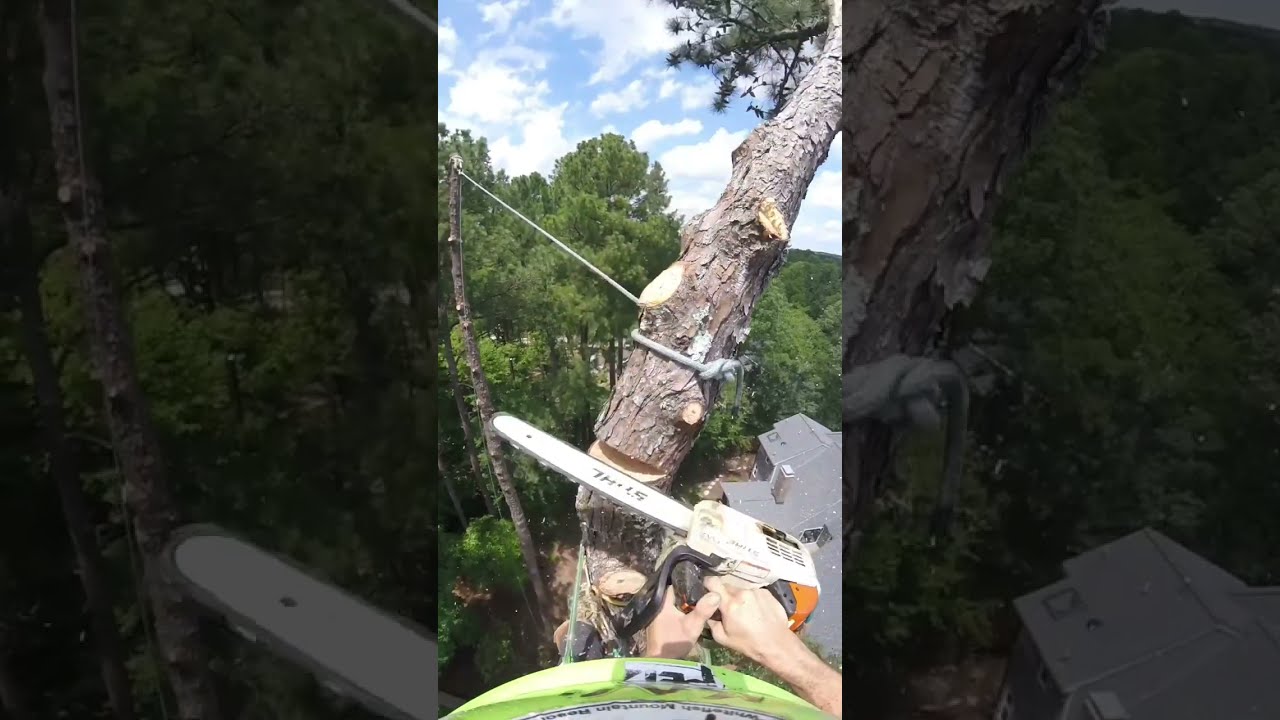
Habitat Hollow Carving (Chainsaw Hollows)
One of the most effective practices gaining traction across Queensland in 2026 is mechanically carved hollows. Using specialised chainsaw carving techniques, arborists create internal chambers within structurally sound, non-critical limbs or high stumps. These carved hollows match the internal thermal properties of natural tree hollows far better than conventional wooden nest boxes, offering cool sanctuary during humid heatwaves.
Creating 'Coronet' Cuts
Traditional pruning involves smooth, flush cuts. In contrast, coronet cutting mimics natural storm tear-outs on shortened, non-hazardous limbs. This rough, jagged finish not only blends into the natural bush aesthetic of the Sunshine Coast hinterland and coastal areas, but it also creates micro-habitats for insects, wood-boring beetles, and fungi, which in turn feed native birds and mammals.
Essential Safety Checks for Habitat Trees
Before designating any tree as a dedicated habitat feature, it is critical to evaluate its position and structural stability. Sunshine Coast properties are frequently subjected to severe seasonal weather, making safety vigilance essential.
- Target Zone Assessment: Determine what lies directly beneath or within the fall zone of the tree. A habitat limb over an open garden bed carries far less risk than one hanging over a bedroom or patio.
- Trunk Integrity: Check for deep ground-level fungal brackets, significant basal decay, or major trunk cracking that could compromise whole-tree stability.
- Soil and Root Health: Subtropical downpours can soften sandy coastal soils; ensure the root plate is secure with no signs of soil heaving or severed structural roots.
- Species-Specific Failure Rates: Certain fast-growing species are prone to sudden branch drop, whereas native hardwoods such as ironbarks and bloodwoods handle targeted retention much better.
Alternative Ways to Boost Habitat Without Tree Risk
If an assessment reveals that an aging tree is simply too unstable to remain standing near your home, you still have excellent options to replace the lost habitat without compromising your family's safety.
- Install Species-Specific Nest Boxes: Mount durable, insulated boxes high in healthy, structurally sound trees away from main thoroughfares.
- Leave Fallen Trunks as Nurse Logs: If a hazardous tree must be felled, consider keeping portions of the large trunk on the ground in garden margins to serve as ground-level habitat for skinks, bandicoots, and beneficial decomposers.
- Plant Native Understorey Buffers: Plant local flowering shrubs like banksias, grevilleas, and lilly pillies around the base of your large trees to provide mid-level shelter and natural food sources.
Navigating Sunshine Coast Council Regulations
Before undertaking substantial pruning or hollow-creation work, it is important to review local vegetation protection overlays. Sunshine Coast Council maintains strict guidelines regarding protected vegetation, particularly in coastal foreshores, waterways, and designated biodiversity corridors. In many cases, engaging an AQF Level 5 consulting arborist to prepare a tree risk and fauna management plan ensures you remain fully compliant with local planning laws while achieving the best outcome for native wildlife.


Creating space for nature does not mean inviting hazards onto your property. By applying thoughtful, scientifically backed arboricultural methods, you can enjoy a safe, storm-resilient yard that doubles as a thriving sanctuary for local Australian fauna.
Sunshine Coast Tree Removal Experts
Unit 5/12 Kelly Ct, Buderim QLD 4556
(07) 4144 9008